 Growyear
What to Plant in February in the UK: Top Crops to Sow Now
February is the bridge between winter and spring in UK gardens. Discover the best vegetables, herbs, and flowers to sow now, and whether to start them indoors, under cover, or direct for early harvests.
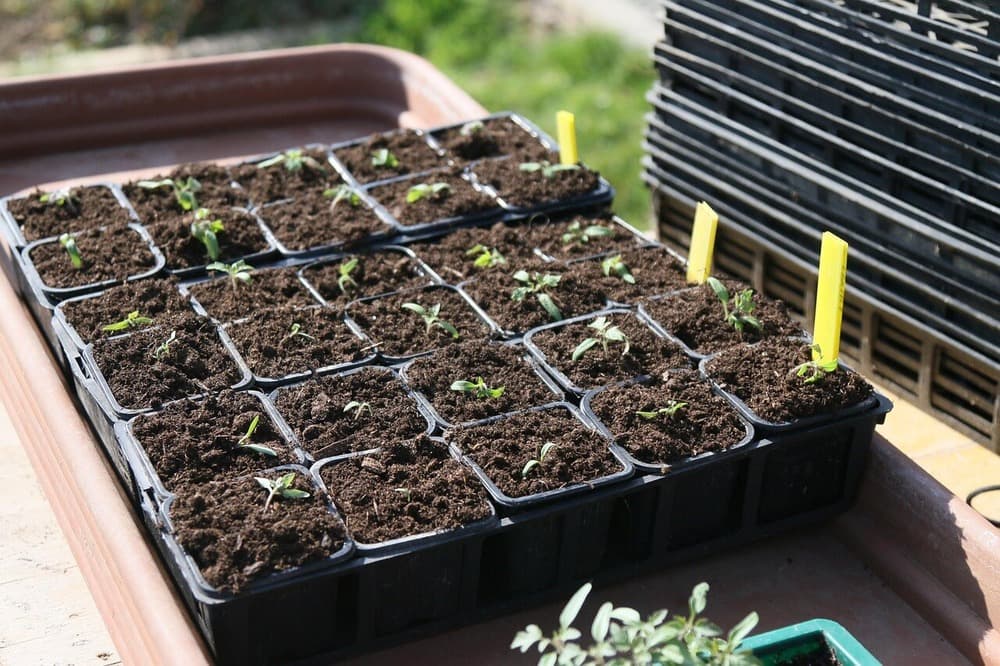
February might still feel like the cold tail end of winter, but spring is just around the corner. In a UK vegetable garden, February is the bridge between winter and spring – an opportunity for keen gardeners to start sowing hardy seeds and get a head start on the growing season.
If you're wondering what to plant in February in the UK, rest assured there are plenty of vegetables, herbs, and even a few flowers that can be started this month. This guide will walk you through the top crops to sow in February, along with tips on how to sow them (indoors, undercover, or direct) and when you can expect to harvest.
Let’s dig in! 🌱
Late-Winter Sowing Tips (Start After Mid-February)
Timing is everything with February sowings. Many experienced gardeners recommend waiting until around mid-February (after Valentine’s Day) to begin sowing most seeds, as daylight increases and seedlings will grow stronger. Early February sowings often struggle with low light levels, so a little patience pays off.
Additionally, focus on frost-hardy crops this month – most sowings recommended in February up to early March are fairly tolerant of cold. Tender plants (like tomatoes or courgettes) are best left until later in spring when there’s more warmth and light.
Because outdoor conditions are still chilly, indoor or undercover sowing is ideal for most crops now. This could mean starting seeds in a greenhouse, polytunnel, cold frame, or even on a sunny windowsill indoors. Sowing under cover:
- Protects seedlings from frost and winter weather
- Reduces slug and pest damage to young plants
- Lets you transplant strong, established plants when conditions improve
If you don’t have a greenhouse, a simple propagator or clear plastic lid on seed trays can create a mini-greenhouse effect. Hardy veggies such as broad beans, peas, brassicas, and salad greens can germinate at lower temperatures, but they’ll still appreciate shelter. Always use quality compost, provide as much light as possible, and consider a heat mat or propagator for any warmth-loving seeds.
On milder days, you can also take advantage of covers outdoors. If you have cloches or horticultural fleece, you may sow a few things directly under these protective covers in late February. Light, well-drained soils warm up faster than heavy clay, so gardeners on sandy soil in southern UK might get away with earlier direct sowings. For most of us, though, indoor sowing and patience until March is the safer bet.
And remember the motto: there’s no need to start too early – later sowings will soon catch up.
Now, let’s look at the top vegetables and herbs you can sow in February and how to set yourself up for success.
Broad Beans – Hardy Legumes for Early Harvests
Broad beans (also known as fava beans) are one of the best crops to sow in February for an early harvest. They’re famed for producing valuable early pods before most other vegetables are ready.
Hardy varieties such as ‘Aquadulce Claudia’ thrive in cool conditions – you can direct sow these outdoors if the soil isn’t frozen. Choose a well-drained, sunny spot, and sow seeds about 5–7 cm deep. If your ground is waterlogged or very cold, start the seeds in pots or modules under cover instead.
Starting broad beans undercover in February has advantages:
- Protects seeds from mice
- Helps seedlings avoid slug damage while they’re small
- Gives you sturdy young plants ready for planting out in early spring
Sow one bean per module or small pot (they’re large seeds) and keep them in a cool greenhouse or cold frame. They’ll germinate in temperatures as low as 5–10°C. By early spring (March), your young plants will be sturdy and ready to plant out. Remember to harden them off before planting outside.
Planting tips
- Space plants about 20–25 cm apart in rows
- Taller spring-sown types may benefit from string or cane support
- Expect flowers by late spring and pods ready to pick in late May or June
Pick beans when pods are plump but not too old – early-picked beans are sweetest. You can even pinch off and eat the tender top shoots (they taste a bit like spinach) once pods have set – this also helps reduce blackfly.
Peas – Fresh Green Peas and Tender Shoots
Peas are another legume that can be started in February, though they do need some protection.
There are two main ways to grow peas now:
- For pea shoots – the young leafy tips used in salads and stir-fries
- For early pea pods – classic garden peas for shelling and eating fresh
Pea Shoots
Pea shoots are incredibly quick to grow and very forgiving. Simply sow peas densely in a tray or pot of compost under cover – even on a windowsill. Within 2–4 weeks, you can start snipping the pea tendrils once they’re about 10–15 cm tall. Many people use cheap dried peas or older seed packets for this purpose.
Early Pea Pods
For early pea pods, choose hardy, early-maturing varieties (often round-seeded types).
It’s usually a bit early to sow peas directly outside (unless you use cloches in a mild area), so the best method is to sow peas indoors or in a greenhouse now and transplant later.
A popular trick is to sow peas in:
- Lengths of guttering with drainage holes, or
- Deep modules and trays
This allows you to grow good seedlings that can be slid into a trench in the garden.
Sow seeds about 2–3 cm deep and keep the trays in a cool but frost-free place (an unheated greenhouse or cold frame is perfect). They’ll germinate in a week or two. Provide as much light as possible to prevent them getting leggy. When seedlings are a few inches tall with a couple of sets of leaves, plant them outside when the weather is milder (often late March).
Planting tips
- Plant out peas roughly 5–8 cm apart in a row
- Space rows 30 cm apart for dwarf types, 60 cm apart for tall varieties
- Use pea sticks, mesh, or netting for support
Peas sown in February under cover and planted out in spring should yield pods by early summer (June). Sow in small batches every few weeks to extend your harvest, and keep using any spare seed for more pea shoots on the windowsill.
Leafy Greens – Lettuce and Spinach
Believe it or not, you can get a jump on your salad crops by sowing lettuce and spinach in February. Both are cool-season greens that tolerate chilly weather and light frosts.
By starting them now, you’ll have transplantable seedlings ready to go out as soon as March brings milder weather, giving you homegrown salads weeks earlier than spring-sown crops.
Lettuce
Opt for hardy varieties, especially loose-leaf or cut-and-come-again types, which cope well with cooler conditions. Winter-hardy varieties (like ‘Winter Gem’ or certain oakleaf lettuces) are a good choice.
- Sow seeds in modules or small pots under cover
- Just a few seeds per module (thin to one strong seedling later)
- Keep compost moist but not waterlogged
- Place trays in a greenhouse, cold frame, or bright indoor windowsill
Germination is quick (within 1–2 weeks). Lettuce seedlings prefer cooler conditions; if indoors, keep them in a cool room rather than by a radiator. After about 4–6 weeks, they’ll be sturdy young plants ready to plant outside under fleece or cloches by mid-March.
Spinach
Choose a variety suited for early sowing – many spinach varieties are happiest in cool weather and will bolt once days are long and hot.
- Sow seeds in modules (1–2 seeds per cell) or a small pot, about 1 cm deep
- Keep in a cold frame or unheated greenhouse; they prefer cooler germination (around 15°C)
- Transplant when seedlings have a couple of true leaves
Spinach grows quickly – you might start picking baby leaves as early as April if all goes well.
Planting tips
- Lettuce: 20–25 cm apart for full heads, closer for cut-and-come-again harvests
- Spinach: about 15 cm apart for baby leaf production
- Use fleece to cover young plants in early spring
Lettuce sown now and transplanted in spring can yield salads by April or May. Spinach will provide pickings in April and May, often bolting when summer heat arrives – but by then you’ll have had plenty of leaves.
Onions and Spring Onions from Seed
February is an excellent time to sow onions from seed, as well as bunching onions (spring onions). Onions need a long growing season to produce large bulbs, so starting in late winter gives them a head start.
Onion Seeds
Use module trays or small pots and sow onion seeds under cover – a greenhouse or windowsill will do.
- Sow 3–5 seeds per module and plant out the clump later, or
- Sow thinly in a seed tray and prick out individual seedlings
Keep trays in a cool, bright place; onions can take 10–14 days to germinate. Popular varieties for seed-sowing include ‘Ailsa Craig’ and ‘Globo’, which benefit from an early sowing indoors.
Once germinated, ensure seedlings get plenty of light to prevent them becoming spindly. They prefer cool conditions (around 15°C), so don’t position them directly above a heater.
Spring Onions (Salad Onions)
Spring onions can be sown similarly in modules or pots under cover. Varieties like ‘White Lisbon’ are popular and hardy.
- Multi-sow bunching onions: 5–10 seeds per module
- Transplant clumps out as a group later
Spring onions sown in February can be planted out under fleece by late March and may be ready to pull by May.
Planting tips
- Transplant bulb onions when they’re about 15 cm tall and pencil-thick (often April)
- Space bulb onions ~10–15 cm apart in rows 30 cm apart
- Spring onions can be planted in clumps at 15 cm spacing or in a band along a row
Bulb onions will grow through summer and be ready to harvest by mid to late summer. Spring onions can be harvested 8–10 weeks from sowing for slender scallions or left longer for thicker ones. Starting from seed gives you more variety and often better bulbs than using sets, at a lower cost.
Early Brassicas – Cabbage, Cauliflower, Broccoli, and Brussels Sprouts
Many brassica vegetables (cabbage family) can be sown in February, giving you a jump-start on crops like cabbages, calabrese (broccoli), cauliflowers, and even Brussels sprouts.
These plants:
- Are relatively frost-hardy
- Prefer cooler weather for germination and early growth
- Benefit from undercover sowing now for planting out in spring
Typical brassicas to sow in February under cover include:
- Cabbage
- Cauliflower
- Calabrese (broccoli)
- Kohlrabi
- Brussels sprouts
Cabbage
In February, focus on summer and autumn cabbages.
- Sow seeds in modules or pots under cover
- Thin to one seedling per cell
- Plant out in late March or April
These cabbages will form heads ready to cut in early summer (June/July).
Cauliflower
Look for varieties labelled “All Year Round” or early types. Cauliflowers appreciate an early indoor start:
- Sow in pots/modules under cover
- Transplant after 4–6 weeks
With good conditions, a February-sown cauliflower could be ready by June or July. They need steady growth and dislike checks from drought or poor nutrition.
Calabrese (Broccoli)
Early varieties of calabrese can be sown now under cover for an early summer crop.
- Transplant out in spring
- Expect heads by early summer if growth is steady
Kohlrabi
A quick-growing brassica ideal for early sowing:
- Sow under cover in late February
- Transplant out in spring
- Many varieties reach harvest size 8–10 weeks from transplanting
Brussels Sprouts
For sprouts next winter (Nov/Dec), February or March is ideal.
- Sow under cover in modules now
- Plant out in late April/May
- Grow on all summer and harvest in late autumn and winter
Sowing and planting tips
- Sow brassica seeds about 1 cm deep in firm compost
- Keep seedlings in a bright, cool place
- Harden off before planting out
- Typical spacings:
- Cabbage/cauliflower: ~45 cm
- Calabrese: 30–45 cm
- Brussels sprouts: 60–75 cm
All brassicas appreciate fertile soil and benefit from netting to protect against pigeons and cabbage white butterflies.
Radishes and Turnips – Quick Crops for an Early Bite
For something quick and satisfying, try sowing radish and turnip seeds in February. These fast-growing root crops are quite cold-hardy and can be started under cover now for a spring harvest.
Radishes
Small salad radishes (like ‘Cherry Belle’ or ‘French Breakfast’) can go from seed to harvest in as little as 4 weeks in ideal conditions, though winter conditions usually mean 6–8 weeks.
- Sow seeds in modules or direct into pots/trays under cover in late February
- Alternatively, try a small direct sowing outdoors under cloches or fleece toward the end of the month
- Sow about 1 cm deep, a few centimetres apart (or thin after germination)
Radishes prefer cool weather and moist soil to avoid splitting or becoming woody.
Turnips
Focus on small, tender “salad turnips” such as ‘Tokyo Cross’ or ‘Hakurei’.
- Sow in module trays or direct under fleece/cloches
- Thin seedlings to 5–10 cm apart so roots can swell
A February sowing can yield young turnips by late April. They’re sweet and mild when small (golf-ball-size).
Sowing tips
- Radish and turnip seeds germinate well in cool soil
- Provide good light and airflow to avoid leggy growth and damping off
- Successional sowing every few weeks spreads out the harvest
These quick crops give you some of the earliest homegrown produce of the year.
Hardy Herbs – Parsley, Coriander, and Dill
February is a good time to start some hardy herbs from seed, notably parsley, coriander, and dill. These herbs like cooler conditions and can be sown under cover now for flavorful leaves in spring.
Parsley
Parsley is slow to germinate, so an early start helps.
- Sow in pots or modules of seed compost
- Sow thinly and cover lightly
- Germination can take 2–3 weeks; soaking seeds overnight may help
- Keep soil moist and around 15–18°C if possible
Once seedlings are established, give them plenty of light. Transplant outdoors in April or keep in pots. Parsley sown now will produce well through summer and into autumn.
Coriander
Coriander prefers cool weather and is less likely to bolt when grown in spring.
- Sow in modules or pots under cover now
- Germination takes 1–2 weeks
- Transplant outdoors in late March/April
Coriander grows quickly; a February sowing can give you leaves by late April. When plants eventually bolt in early summer, you can let them flower for pollinators and collect seeds later.
Dill
Dill also enjoys a cool start but dislikes root disturbance.
- Sow in pots or modules under cover
- Use deeper or biodegradable pots to minimise root damage when transplanting
- Germination usually takes 1–2 weeks
Dill foliage will be ready to snip by late spring. Like coriander, dill will bolt in summer, producing attractive flowers and seeds useful in the kitchen.
Growing tips
- All three herbs can be grown in containers as well as beds
- Plant out in spring once frost risk has dropped
- Parsley will often continue into winter with a bit of protection
With parsley, coriander, and dill started now, you’ll have homegrown herbs ready just as your early veg crops come into their own.
Warm-Climate Crops (Advanced) – Chillies, Peppers, and Aubergines with Heat
For more experienced gardeners or those with the right equipment, late February is the time to start slow-growing tender crops like chilli peppers, sweet peppers, and aubergines (eggplants).
These plants:
- Need a long growing season
- Demand warmth and good light
- Must be kept frost-free until late spring
Equipment and Conditions
You’ll need:
- A heated propagator or warm, bright indoor spot
- Ideally, grow lights to prevent leggy seedlings
Peppers and aubergines germinate best around 25°C. A heat mat or propagator makes a big difference. Seedlings then prefer a warm, bright environment (around 18–20°C+).
Sowing Method
- Sow seeds in pots or modules with free-draining seed compost
- Cover seeds lightly (~0.5 cm deep)
- Keep consistently warm and slightly humid until germination
Germination may take 1–3 weeks, with some hot chillies slower to sprout.
When the first true leaves appear:
- Pot up into slightly larger pots
- Keep growing on indoors or in a heated greenhouse
- Don’t plant outside until all risk of frost is gone (typically May/June)
Choose early or compact varieties if you don’t have a long, warm season.
Expected harvest
- Chillies and peppers: typically July–October
- Aubergines: often mid/late summer into autumn
These crops are optional if you’re a beginner – you can always buy young plants later – but if you enjoy a challenge, February is the time to get them going.
Flower Seeds to Sow in February (for a Splash of Spring Colour)
Vegetables and herbs are the main focus, but it’s worth mentioning a couple of flowers for those who want blooms as well as food.
Sweet Peas
February is a great time to sow sweet peas, known for their fragrance and cottage-garden charm. Sowing them in late winter gives stronger plants that bloom earlier in summer.
- Soak seeds overnight to aid germination
- Sow in deep pots (root trainers or cardboard tubes) in a cold frame, unheated greenhouse, or cool windowsill
- Keep frost-free; germination usually takes a couple of weeks
- Pinch out tips once they have a few sets of leaves to encourage bushier plants
Plant out in April against supports and enjoy flowers from early summer onwards.
Other Flower Options
You can also start:
- Snapdragons (Antirrhinum) – benefit from early sowing for summer blooms
- Statice (Limonium) – good for cut and dried flowers
Hardy annuals like calendula, cornflower, and poppies are usually direct-sown later in spring, but a few can be started under cover now and transplanted outside later for a head start.
For most flower sowings:
- Use quality seed compost
- Provide warmth and light as required
- Avoid planting out until conditions are suitable
A few trays of flowers alongside your veg seedlings will ensure your garden is both productive and beautiful.
Final Thoughts and Next Steps
February sowing is all about planning ahead. By choosing the right crops and methods, UK gardeners can make the most of this transitional month.
In this guide we’ve covered:
- Hardy legumes like broad beans and peas
- Salad crops such as lettuce, spinach, radishes, and turnips
- Long-season crops like onions and brassicas
- Early herbs (parsley, coriander, dill)
- Optional warm-climate crops (peppers, chillies, aubergines)
- A few flower options to brighten your plot
Keep an eye on germination conditions, use fleece or cloches for any early outdoor plantings, and don’t be afraid to wait on tender plants until warmer weather arrives.
As the days lengthen and temperatures slowly rise, those February-sown seedlings will turn into productive plants, rewarding you with harvests in spring and beyond.
Happy sowing, and here’s to a bountiful year ahead! 🌱🌼