 Growyear
Why Compost Is the Secret to a Healthy Garden
Discover why compost is the key to a thriving garden — from improving soil structure and retaining moisture to feeding your plants naturally and reducing waste.
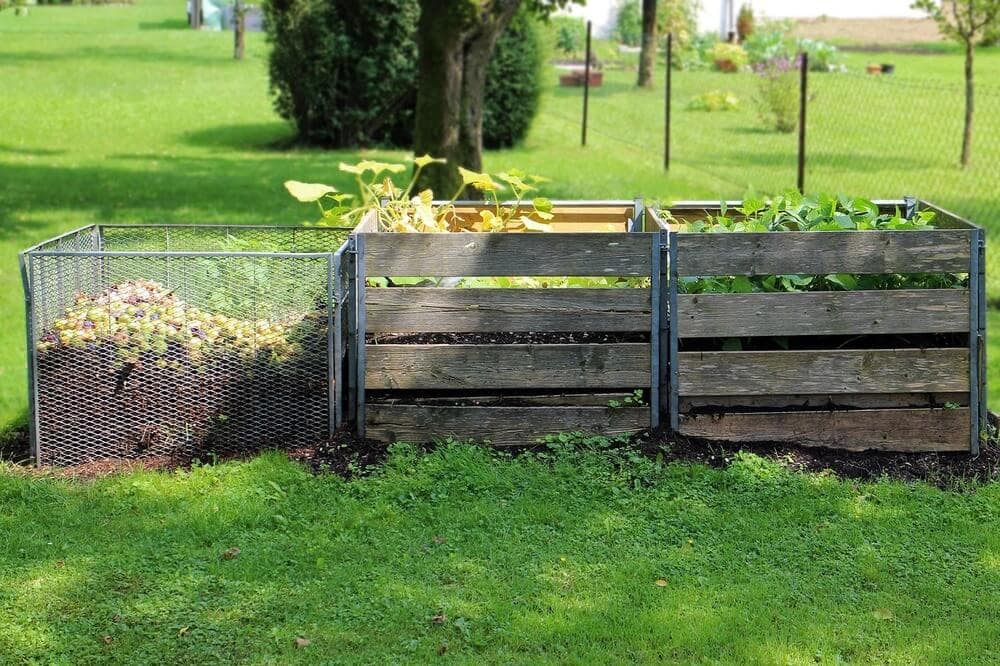
To the untrained eye, a compost heap might look like nothing more than a pile of rotting food scraps and garden waste. In reality, it’s a gardener’s secret weapon for lush, healthy plants. Gardeners often nickname compost “black gold” — and for good reason. Adding compost to soil improves its structure, boosts nutrients, helps retain moisture, balances pH, and even suppresses disease. This humble mix of leftovers is more than just garbage — it’s the key ingredient to garden success.
What Is Compost and How Does It Work?
At its core, compost is organic matter that has decomposed into a rich, soil-like material. It’s nature’s recycling system: microorganisms such as bacteria, fungi, and worms break down kitchen and garden waste into a dark, crumbly substance called humus.
As they work, these microbes release nutrients plants can absorb later. They need warmth, moisture, and oxygen — which is why compost piles are kept damp and turned regularly. If you feed and aerate your pile properly, you’ll end up with a nutrient-rich soil conditioner that smells earthy and feels alive.
The Benefits of Compost for Soil and Plant Health
Compost isn’t just nice to have — it offers real benefits that improve soil and plant vitality.
- Nutrient Boost: Compost acts like a slow-release fertilizer, steadily feeding plants over time — without the harshness of synthetic feeds.
- Improved Soil Structure: It loosens heavy clay and binds sandy soil, making it easier for roots to breathe and grow.
- Better Water Retention: Compost-rich soil holds moisture like a sponge, reducing the need for frequent watering.
- Balanced Soil pH: It naturally brings overly acidic or alkaline soils closer to neutral, improving nutrient availability.
- Healthier Soil Life: Compost adds beneficial microbes that help fight off plant diseases and pests naturally.
- Reduced Chemicals: With nutrient-rich soil, you’ll rely less on synthetic fertilizers and pesticides — good for your wallet and the planet.
Quick Fact: Compost’s organic matter can hold up to 18–20 times its weight in water, turning your soil into a moisture-retaining sponge!
How to Start Composting at Home
Starting a compost pile is easier than you might think. With a bit of know-how, you can turn your kitchen scraps and yard trimmings into garden gold right at home.
1. Choose a Compost Bin or Spot
Pick a convenient, well-drained location. You can buy a compost bin, make one from wood, or start a simple open pile. Placing it directly on soil lets worms and microbes join the party.
2. Add the Right Ingredients
Compost needs a balance of greens (nitrogen-rich materials like fruit peels, coffee grounds, and grass clippings) and browns (carbon-rich items like dried leaves, straw, and cardboard).
Aim for roughly 2–3 parts browns for every 1 part greens.
Cover fresh scraps with browns to prevent smells and pests.
Avoid: meat, fish, dairy, oily foods, pet waste, diseased plants, and weeds with seeds.
3. Manage Moisture and Air
Your compost should be as damp as a wrung-out sponge.
If it’s dry, add a splash of water; if it’s slimy or smelly, mix in more browns and turn it to add oxygen.
Turning the pile every week or two keeps microbes happy and odors away.
4. Be Patient and Let It Finish
Depending on conditions, compost can be ready in 3–12 months. It’s done when it’s dark, crumbly, smells earthy, and looks like rich soil.
Use it to enrich your vegetable beds, borders, or even potted plants.
Conclusion
Compost truly is the secret to a thriving garden. By making composting part of your routine, you’re feeding your soil naturally, reducing waste, and giving back to the Earth.
So next time you toss kitchen scraps or rake up leaves, remember — you’re not creating waste, you’re creating black gold. Your plants (and the planet) will thank you.