 Growyear
The Benefits of Using Woodchip Paths in Your Garden or Allotment
Discover how woodchip paths can transform your garden or allotment—suppressing weeds, retaining moisture, improving soil and looking great. A practical guide for gardeners using GrowYear.
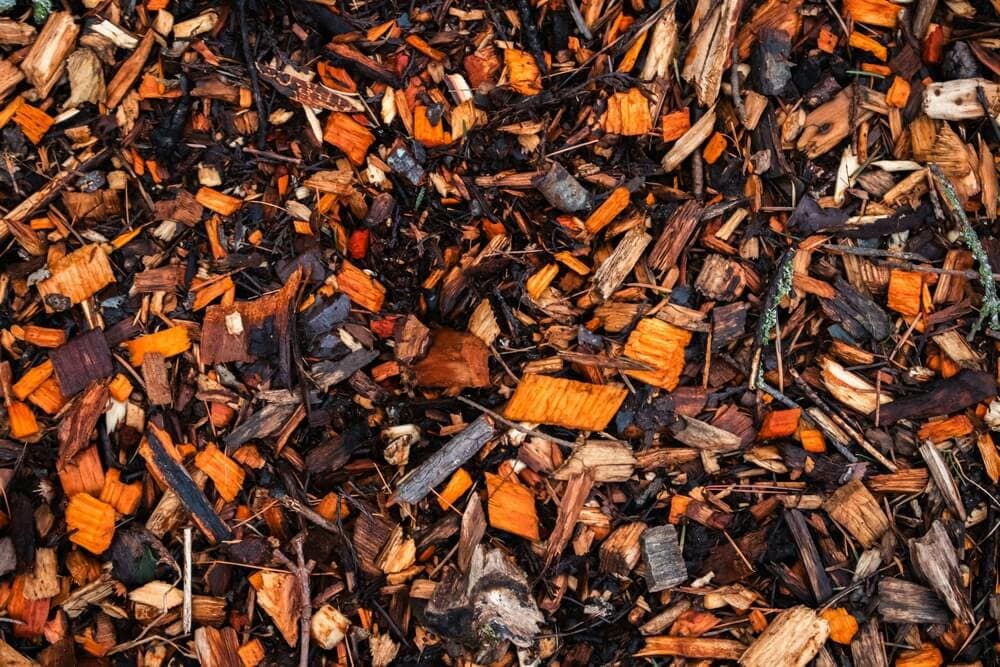
Woodchip paths are one of the most effective, low-cost ways to keep a garden or allotment tidy and weed-free. Instead of walking on bare soil or grass, a soft layer of woodchips gives you clean, comfortable pathways that look great and improve the soil beneath.
This guide explains the different types of woodchip, their benefits, and some simple tips for long-term maintenance.
Types of Woodchips for Garden Paths
Hardwood vs. Softwood Chips
Hardwood chips (from trees like oak, ash, or beech) are dense and slow to rot, so they’re ideal for paths that you want to last. Softwood chips (from conifers such as pine or spruce) break down faster and feed the soil more quickly.
If you can get mixed arborist woodchips — often free from local tree surgeons — they’re perfect. The Royal Horticultural Society notes that both hardwood and softwood mulches are safe and effective for paths and borders.
Tip:
- Choose hardwood if you want durability.
- Choose softwood if you prefer quicker soil improvement.
Fresh vs. Composted (Aged) Woodchips
Fresh woodchips are light in colour and take longer to decompose. They’re great for paths because they last longer underfoot.
Aged or composted chips are darker and softer, already partly broken down. They’re easier to work into soil but need topping up more often.
For paths, fresh chips give you a clean, chunky surface that gradually improves the soil as they break down. Over time, those same chips will become rich, dark compost you can reuse elsewhere.
Benefits of Woodchip Paths
1. Excellent Weed Suppression
A thick layer of woodchips blocks sunlight, making it difficult for weeds to germinate. This natural mulch drastically cuts down on weeding time — a huge plus for busy gardeners and allotment holders.
2. Better Moisture Retention
Woodchips act like a sponge, helping the soil underneath retain moisture. This keeps surrounding beds hydrated for longer, reducing how often you need to water — particularly helpful in dry spells.
3. Gradual Soil Improvement
As the chips decompose, they add organic matter to the soil and encourage beneficial fungi and microbes.Over a year or two, the bottom layer of your path turns into rich, fertile humus — great for topping up raised beds or compost bins.
According to Permaculture News, this slow decomposition process creates healthier, more resilient soil ecosystems.
4. Natural Temperature Regulation
Woodchip mulch helps insulate the ground — keeping soil cooler in summer and warmer in winter. That protects soil life and root systems from extreme temperature swings.
5. Sustainable and Eco-Friendly
Woodchips are a natural, renewable material. Many local councils and tree surgeons will deliver them for free, saving waste from landfill. Choosing untreated, locally sourced chips is an environmentally friendly way to create paths that fit the rhythm of nature.
6. Comfortable and Attractive
Woodchip paths look rustic, smell pleasant, and feel soft underfoot. They visually separate garden beds, give definition to your layout, and keep shoes mud-free even after heavy rain.
Drawbacks and Considerations
Even with all their benefits, woodchip paths do have a few small downsides:
- Decomposition: Chips naturally rot down over time — expect to top them up every 12-18 months.
- Weed Return: After a couple of seasons, weeds can re-emerge in the composted layer; simply rake in new chips to smother them.
- Slippery When Wet: On slopes or smooth plastic liners, wet chips can be a bit slick. Use breathable materials like cardboard or jute fabric underneath instead of plastic sheeting.
- Appearance Changes: Fresh woodchips turn darker with age. Top up yearly if you prefer a lighter look.
For more practical mulching advice, the Soil Association recommends using organic, untreated materials and replenishing them regularly to maintain their weed-suppressing effect.
How to Lay Woodchip Paths
- Mark your path using string or hosepipe.
- Weed and level the soil. Lay down overlapping cardboard sheets if you want extra weed protection.
- Spread woodchips 5-8 cm (2-3 inches) deep.
- Rake smooth and walk on it to bed the chips down.
- Top up annually as they decompose.
You can read more about mulching and soil improvement in the RHS Guide to Organic Gardening.
Conclusion
Woodchip paths are a simple, affordable, and eco-friendly way to improve any garden or allotment. They suppress weeds, lock in moisture, and gradually turn into nutrient-rich soil.
While they need occasional topping up, the benefits far outweigh the maintenance. Once you’ve walked down a clean, springy woodchip path after a rainstorm, you’ll never miss muddy boots again.
For GrowYear gardeners, they’re the perfect blend of practicality and sustainability — helping you grow more, waste less, and enjoy your garden all year round.